

Embracing Home Education Discovering Creative Learning Strategies

Home education offers families a unique chance to tailor learning experiences to their children's needs. For parents in the UK, especially those navigating the challenges of homeschool UK regulations and preparing children for KS3, GCSE, or IGCSE exams, finding creative strategies can make all the difference. This post explores practical and imaginative ways to enrich home education, helping parents build engaging, effective learning environments.

Understanding the Foundations of Home Education
Home education is more than just teaching academic subjects at home. It involves creating a supportive environment where children can explore, question, and develop skills at their own pace. For parents guiding children through KS3 or preparing for GCSE and IGCSE exams, understanding the curriculum requirements is essential. However, sticking strictly to textbooks can limit creativity and motivation.
Parents can start by:
Setting clear but flexible learning goals aligned with national standards.
Incorporating a mix of structured lessons and open-ended projects.
Using resources tailored for homeschool UK families, such as online platforms, local support groups, and libraries.
This foundation allows children to build confidence and curiosity, which are vital for success in formal assessments like GCSE and IGCSE.
Creative Learning Strategies to Engage Children
Creativity in home education transforms routine lessons into memorable experiences. Here are some strategies that parents can use to make learning more dynamic:
Project-Based Learning
Encourage children to work on projects that combine several subjects. For example, a history project on the Industrial Revolution could include:
Reading and summarizing key events (English and history).
Creating graphs to show population growth (math).
Building a simple machine model (science and design technology).
This approach helps children see connections between subjects and apply knowledge practically.
Outdoor Learning
Taking lessons outside can boost engagement and provide hands-on experiences. Activities might include:
Nature walks to study biology and ecosystems.
Measuring distances and angles in the garden for maths.
Sketching landscapes to improve art skills.
Outdoor learning supports physical health and offers a refreshing break from indoor study.
Technology Integration
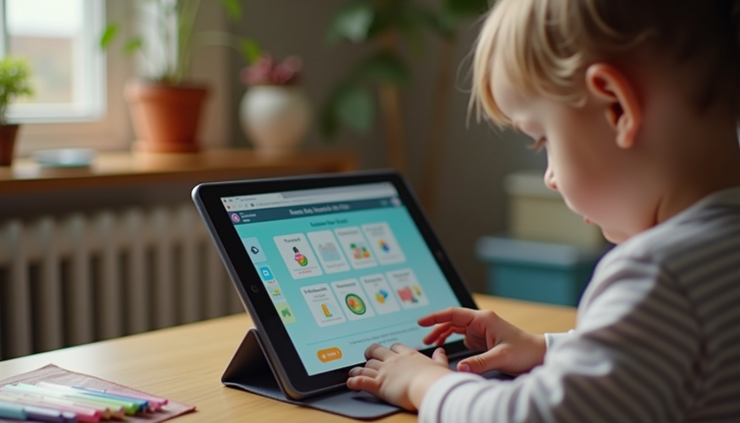
Using technology wisely can enhance home education. Parents can:
Use educational apps tailored for KS3 and GCSE syllabuses.
Access virtual labs for science experiments.
Join online forums or virtual classes for peer interaction.
Technology also prepares children for digital literacy, a key skill for modern education and work.
Balancing Structure and Flexibility
One challenge in home education is finding the right balance between routine and freedom. Too much structure can feel restrictive, while too little can lead to disorganisation. Parents can try:
Creating a daily timetable with dedicated times for core subjects and creative activities.
Allowing children to choose some topics or projects based on their interests.
Scheduling regular breaks and physical activity to maintain focus.
This balance helps children develop discipline while nurturing their natural curiosity.
Preparing for KS3, GCSE, and IGCSE Exams
For families following the UK curriculum, preparing for KS3, GCSE, and IGCSE exams is a key concern. Home education parents can support exam readiness by:
Using past papers and exam-style questions to familiarise children with formats.
Setting achievable revision goals and tracking progress.
Encouraging group study sessions with other homeschoolers or tutors.
Focusing on exam techniques such as time management and question analysis.
Parents should also remember that exam success depends on consistent effort and a positive mindset, not just memorisation.

Building a Supportive Home Education Community
Home education can sometimes feel isolating. Connecting with other families provides emotional support and learning opportunities. Parents can:
Join local or online homeschool UK groups.
Organise co-op classes or field trips.
Share resources and teaching tips.
Attend workshops on topics like exam preparation or creative teaching methods.
A strong community helps parents stay motivated and children develop social skills.
Final Thoughts on Creative Home Education
Creative learning strategies make home education a rewarding journey for both parents and children. By blending structure with flexibility, using diverse resources, and focusing on meaningful projects, families can create a rich educational experience. Preparing for KS3, GCSE, and IGCSE exams becomes less daunting when children feel engaged and supported.


Comments